Green Human Resource Management (HRM) in Jordanian Banks:
Sustainability Lessons for Middle East HR Leaders

Anastasia Ivanovskaya
15 December, 2025
In most boardrooms across the Middle East region, sustainability is already on the agenda – Environmental, Social, and Governance framework disclosures, energy efficiency, climate risk. Yet one question still feels a bit underdeveloped: what does "green" really mean when we talk about people, not only buildings and branches?
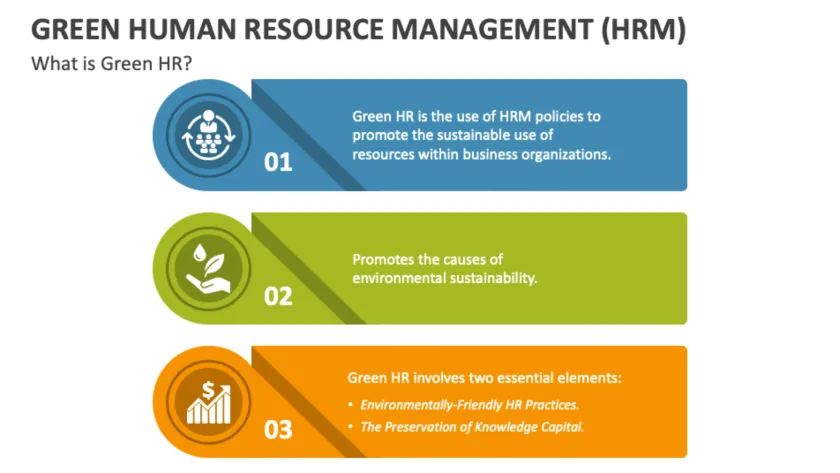
That is where green Human Resource Management (Green HRM) enters the story. It is not a new label for HR policies. It is a way of hiring, developing, rewarding and engaging people that consciously supports environmental goals and the bank’s ESG narrative.
A recent study on Jordanian banks found that Green HRM, supported by digital HR technology, has a positive impact on environmental performance – from reducing resource consumption to improving compliance with environmental standards. For CEOs and CHROs across the MENA, this is something to pay attention to, for their businesses, not only in banking sector.
What Green HRM Means for Banking Sustainability
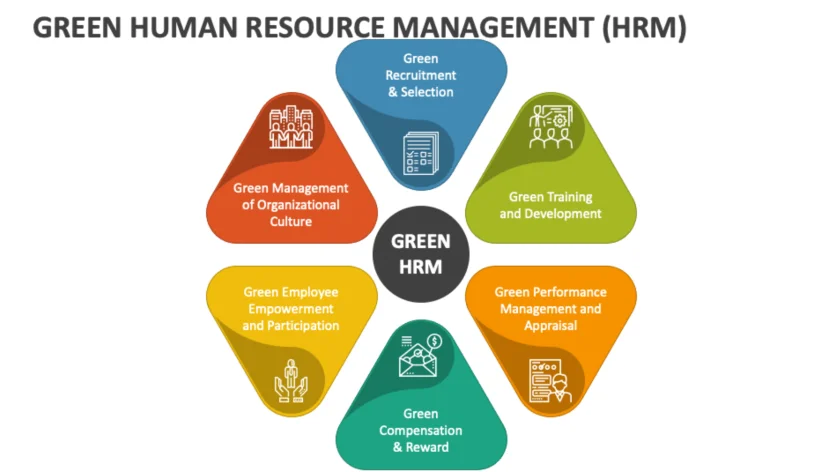
Green HRM is simply HR with environmental intent built into its core processes. In a banking context, that usually shows up across four practical areas that you already recognise in your people strategy:
-
Staffing and employer brand: attracting people who care about sustainability and are comfortable working with ESG-linked KPIs.
-
Learning and development: upskilling employees on topics such as green financing, sustainable operations and responsible consumption inside the bank.
-
Performance and rewards: linking part of the scorecard and sometimes variable pay, to measurable environmental outcomes.
-
Culture and engagement: making "how we treat the environment" part of daily behaviour, not just Corporate Social Responsibility (CSR) days and photos on LinkedIn. Planting a tree is noble yet best HR directors have to think beyond that and deliver the idea to the employees for daily conscience.
Global practices on Green HRM has been saying this for years – HR can influence environmental outcomes through recruitment, training, performance systems and rewards. In Jordan, we now see this playing out inside real banks, under real regulatory and commercial pressure.
When Green HRM is done seriously, it stops being a "nice initiative" and becomes part of how the bank measures performance, selects leaders and explains its Environmental, Social and Governance story to the market.
What Regional HR Leaders Can Learn From Banks in Jordan
The Jordanian banking sector operates under familiar constraints – regional competition, margin pressure, regulatory expectations and a strong push to maintain reputation with international partners and investors. Exactly the same environment many GCC and Levant banks are facing.
The study on Jordanian banks highlights three points that matter for senior HR people:
-
Digital HR platforms make Green HRM practical. Banks that use HR systems for tracking training, performance and behaviour are better positioned to link HR practices to environmental metrics.
-
Environmental performance is not just facilities’ responsibility. HR practices, from onboarding stories to manager scorecards, were found to contribute to reduced paper use, energy savings and environmentally responsible behaviour at work.
-
Leadership attention is the tipping point. Where executive teams treat Green HRM as a strategic tool, HR has the leverage to redesign policies and introduce metrics that actually matter.
For CHROs, this is a useful reality check: you do not need a new sustainability department to move environmental indicators. You need a people strategy that quietly, consistently reinforces "this is how we work here" – and digital HR tools that help you see whether it is happening.
Digital HR Systems as Enablers of Green HRM
One of the more practical insights from the Jordanian research is that digital HR technology strengthens the impact of Green HRM on environmental performance. In other words, the practices and the systems have to work together.
For CEOs and CHROs reviewing HR tech roadmaps, three design choices make a visible difference:
Highlight Green Behaviours in HR Systems
Integrate environmental indicators into performance reviews and manager dashboards. That might mean simple metrics: branch energy consumption trend, paper usage, hybrid-working adoption, connected to leadership objectives. The goal is not to punish, but to keep environmental impact in regular performance conversations.
Make Sustainability Learning Core
Learning management systems can push ESG, green product and operational sustainability modules as part of core curricula, especially for branch managers, risk, credit and corporate banking teams. International bodies, such as the CIPD, have been emphasising HR’s role here for several years.
Connect HR Data with Green Results
When HR data, facilities data and basic ESG metrics sit in separate silos, it is very hard to prove impact. Banking sector in Jordan combine these data points are better able to link, for example, green training coverage with reduced physical branch consumption patterns. That kind of evidence is exactly what boards and regulators want to see.
Strategic Takeaways for CHROs and CEOs in the Region
So what does all this mean if you are responsible for people and culture in a bank in the GCC, Jordan, Egypt, or beyond? A few strategic moves stand out.
Position Green HRM as part of the bank’s ESG story, not a side project
Treat Green HRM as one of the levers supporting your published ESG commitments. That means connecting HR dashboards to ESG reporting, referencing people-related environmental initiatives in sustainability reports and making sure the Chief Sustainability Officer and CHRO are telling a consistent story. It's useful to ask your HRIS solution provider whether they have it in their product roadmap.
Build "green" into leadership, not just frontline behaviour
It is easier to focus on visible behaviours – printing less, turning off lights, recycling campaigns. The real traction comes when leadership models environmentally conscious decision making in green committees, real-estate decisions, supplier selection and product design.
Start with a few high-leverage HR processes
You do not need to redesign the entire HR architecture in one year. Many banks begin by:
- Adding green questions and scenarios into leadership assessments and behavioural interviews.
- Embedding sustainability content into onboarding for all roles, not just risk and compliance.
- Assigning one or two environmental KPIs to key roles, especially branch and operations leaders.
The point is to move Green HRM from concept to daily practice, one HR instrument at a time.
Conclusion: Green HRM as a Competitive Advantage
When Green HRM is designed thoughtfully and supported by digital HR systems, it does not just generate internal campaigns. It contributes to measurable environmental performance and strengthens your organization's ESG credibility with regulators, investors and clients.
For CHROs and CEOs across the Middle East, the question is no longer whether HR should be involved in sustainability. It is how quickly you can embed Green HRM into your people strategy so that environmental responsibility becomes part of how the bank hires, develops, rewards and leads.
That is where HR stops being a support function and becomes a visible driver of sustainable value – for the business, for employees, and for the communities you serve.
References
- Alsmadi, I., & Qawaqneh, H. (2024). Impact of digital HR technology between green human resource management practices and environmental performance in Jordanian banks . Humanities & Social Sciences and Development (HSD), 3(2), 52–71.
- Renwick, D. W. S., Redman, T., & Maguire, S. (2013). Green human resource management: A review and research agenda . International Journal of Management Reviews, 15(1), 1–14.
- CIPD. (2023). HR’s role in environmental sustainability .
Ready to Build a Green HRM Strategy for Your Business?